
Glazing Bio-Ceramics 2026 - ongoing
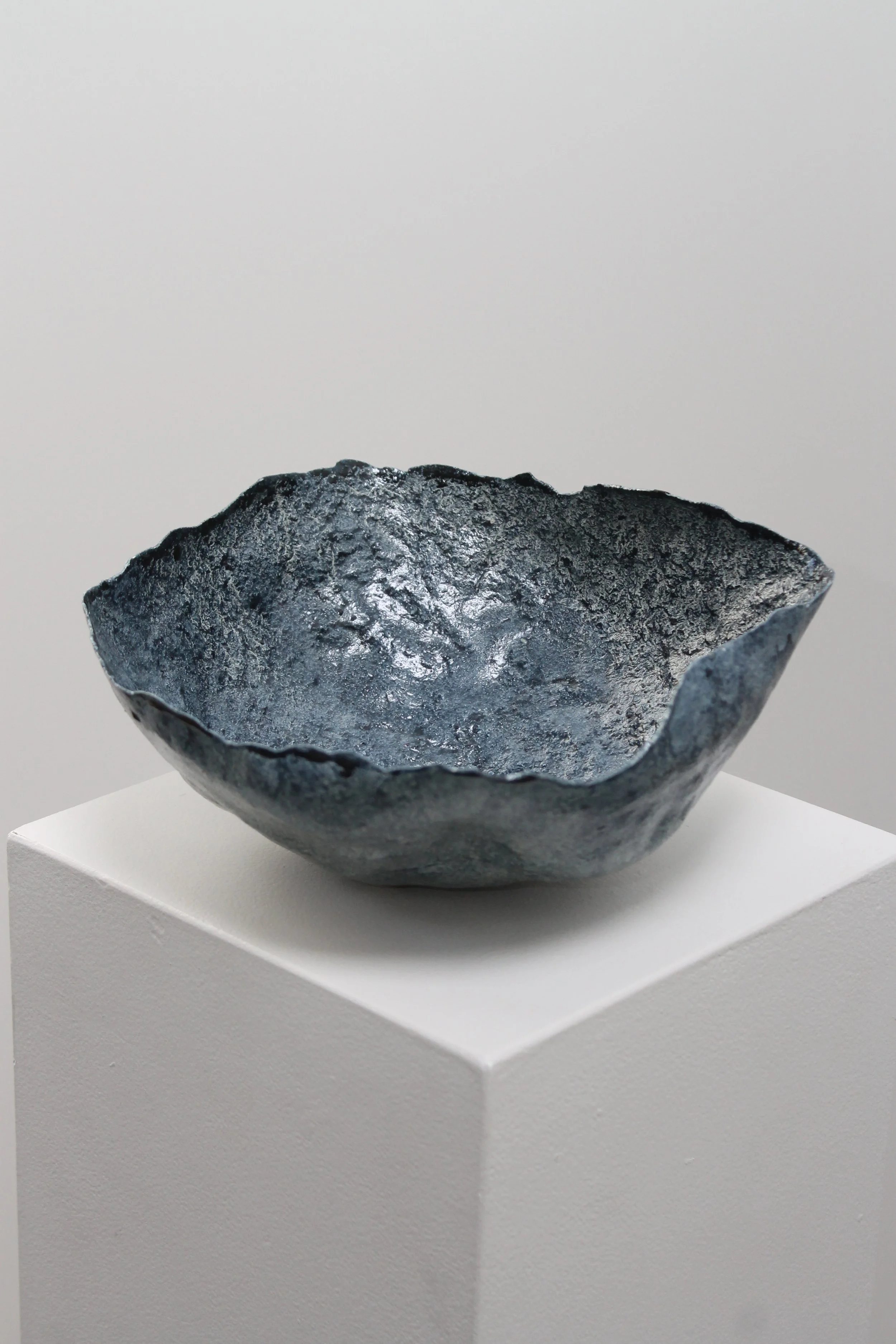
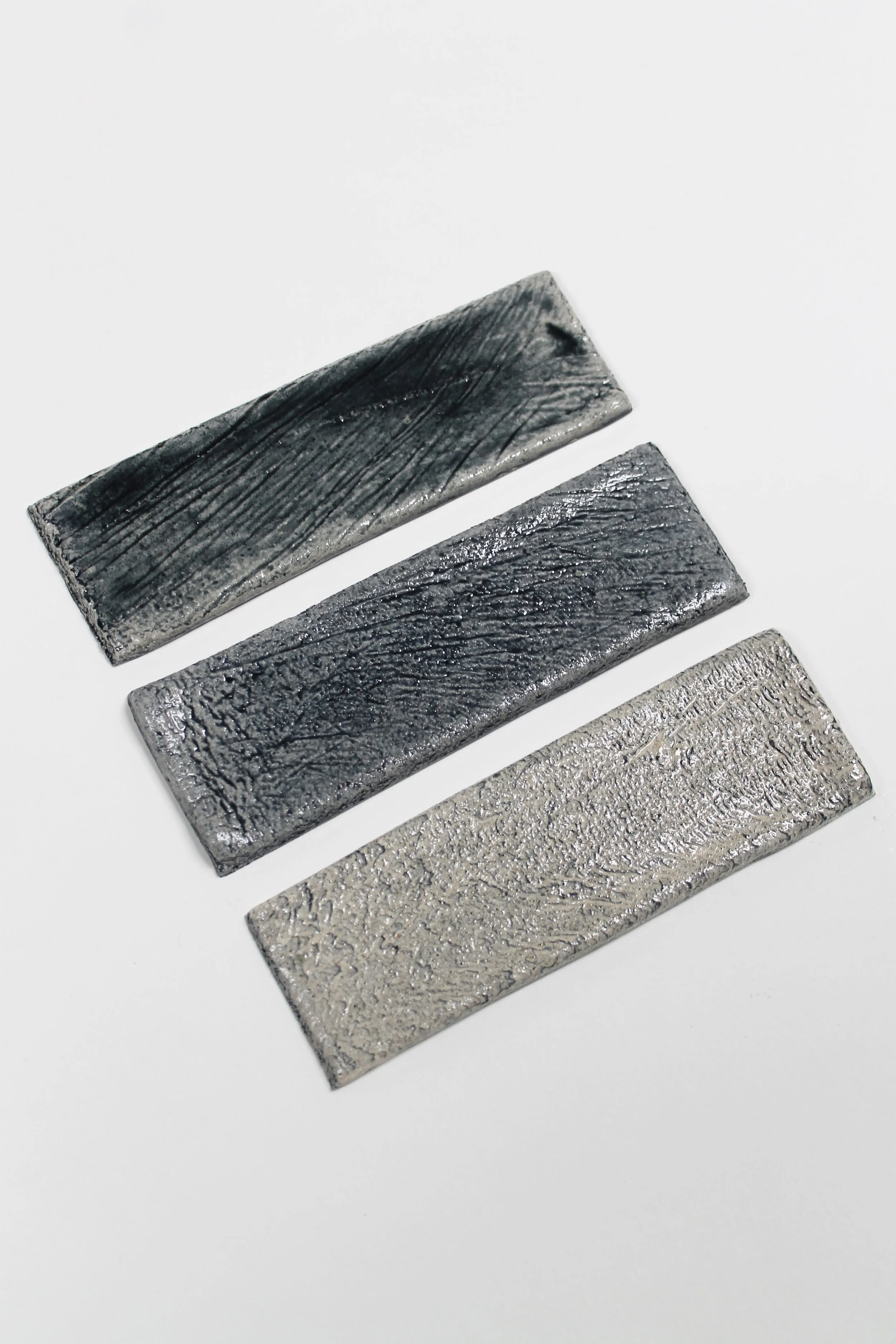
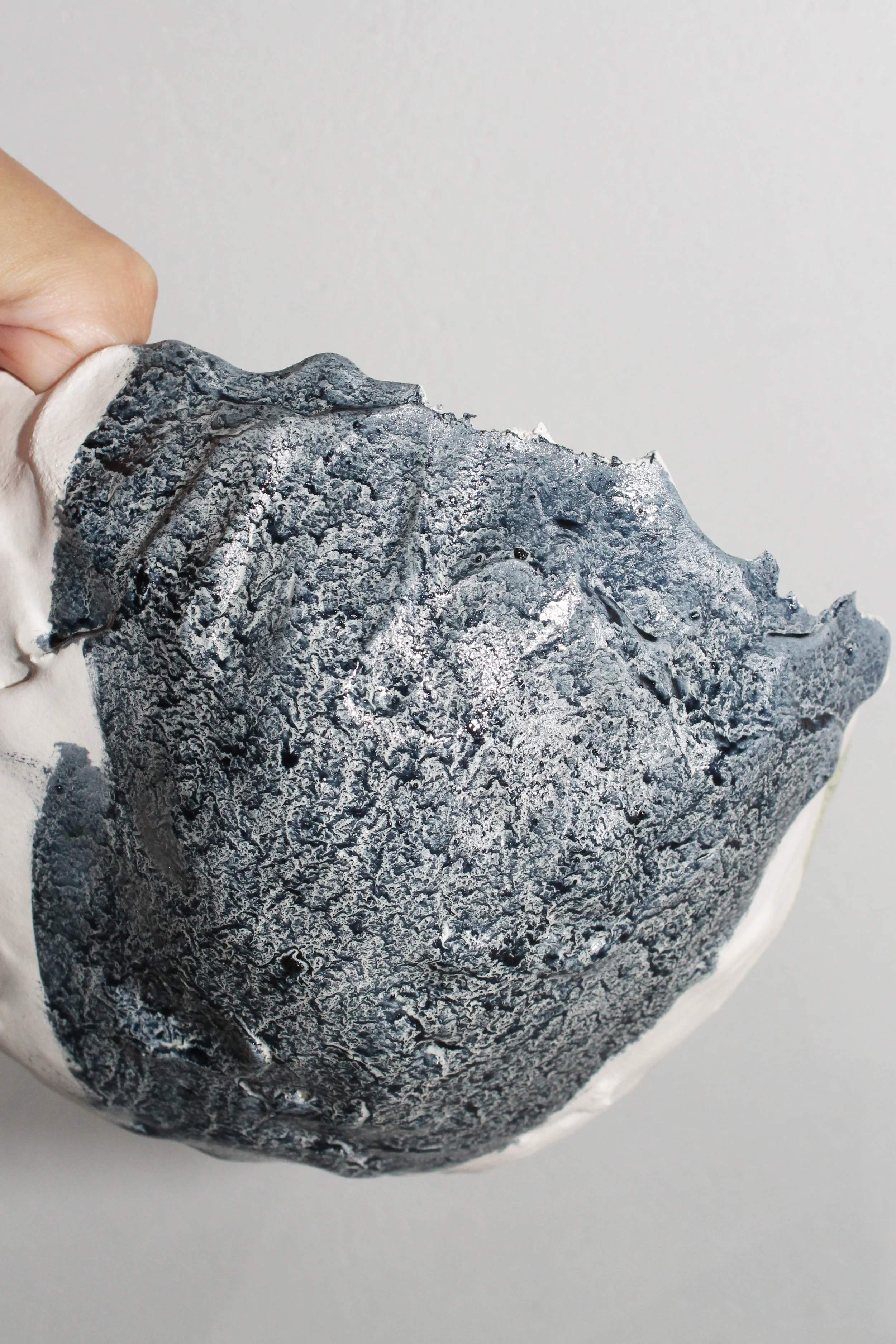
With the project Glazing Bio-Ceramics, an exploration is conducted into how a historical finishing technique can find a new application within a contemporary biomaterial. My previously developed biomaterial, EggshellCeramic© is composed of waste streams from eggshells and natural binders. Although it is visually related to ceramics, it distinguishes itself through its open structure and compostable nature. This makes it suitable for decorative applications, compostable planters and art objects, while simultaneously posing limitations for use in high humid conditions.
To investigate this limitation, the focus is placed on a technique with deep historical roots: the use of natural varnishes based on linseed oil and pine resin. Since antiquity, combinations of oils and resins have been used to protect and enhance materials. In painting and woodworking during the Renaissance and beyond, this resulted in a characteristic visual quality: a warm, deep glow in which color and material are optically enriched. This layered effect emerges because transparent coatings absorb and reflect light, creating a subtle interplay of gloss and depth.
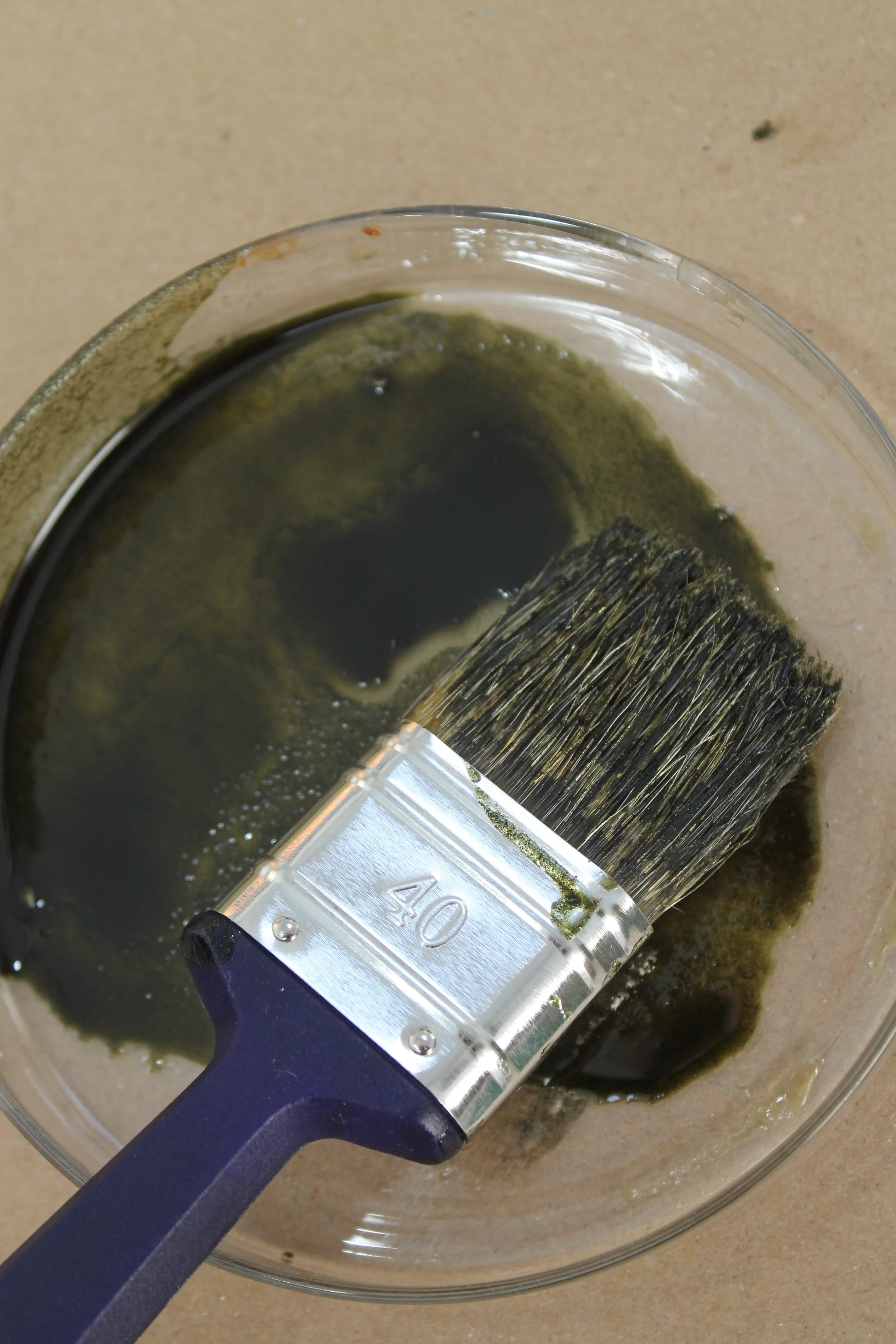
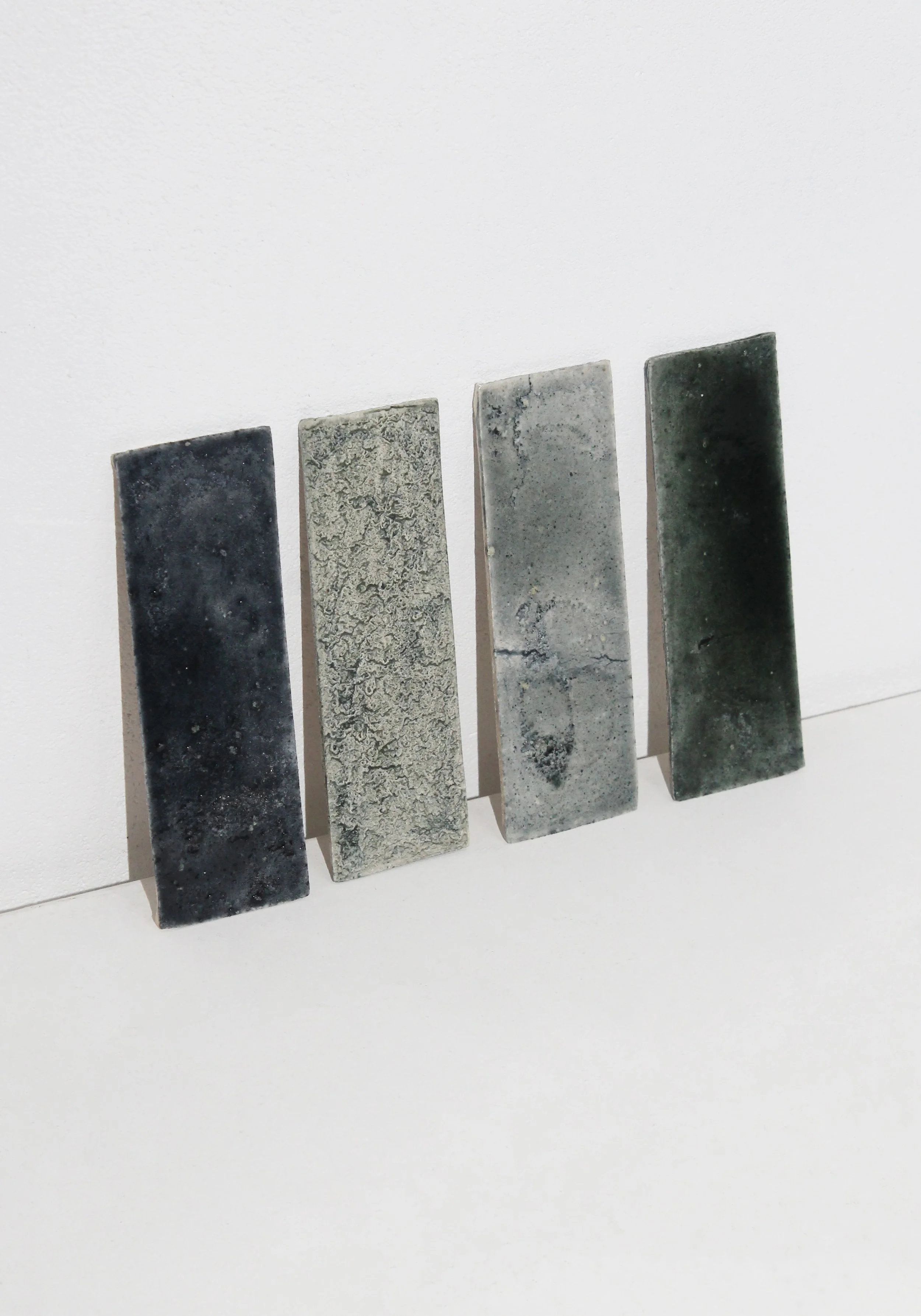
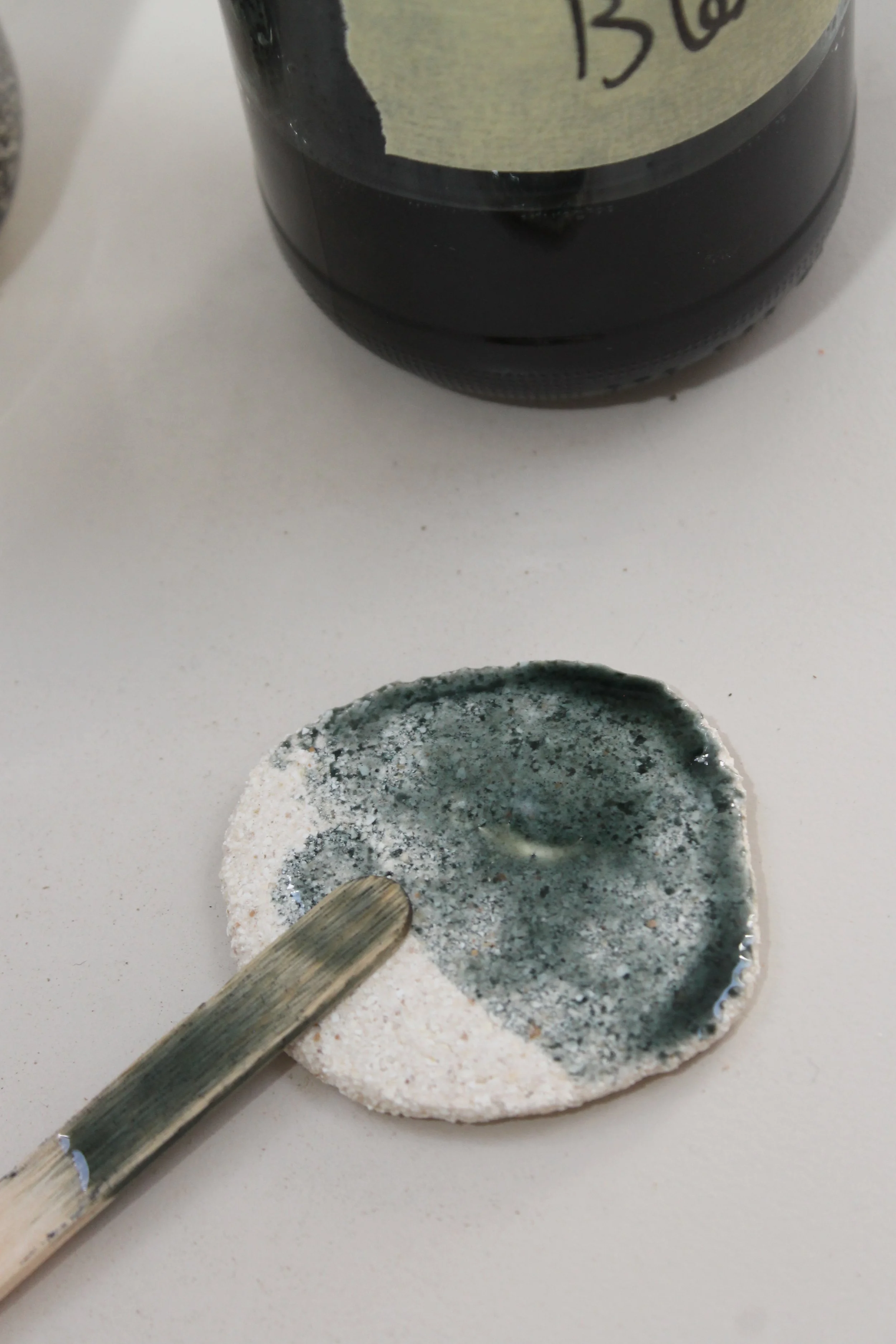
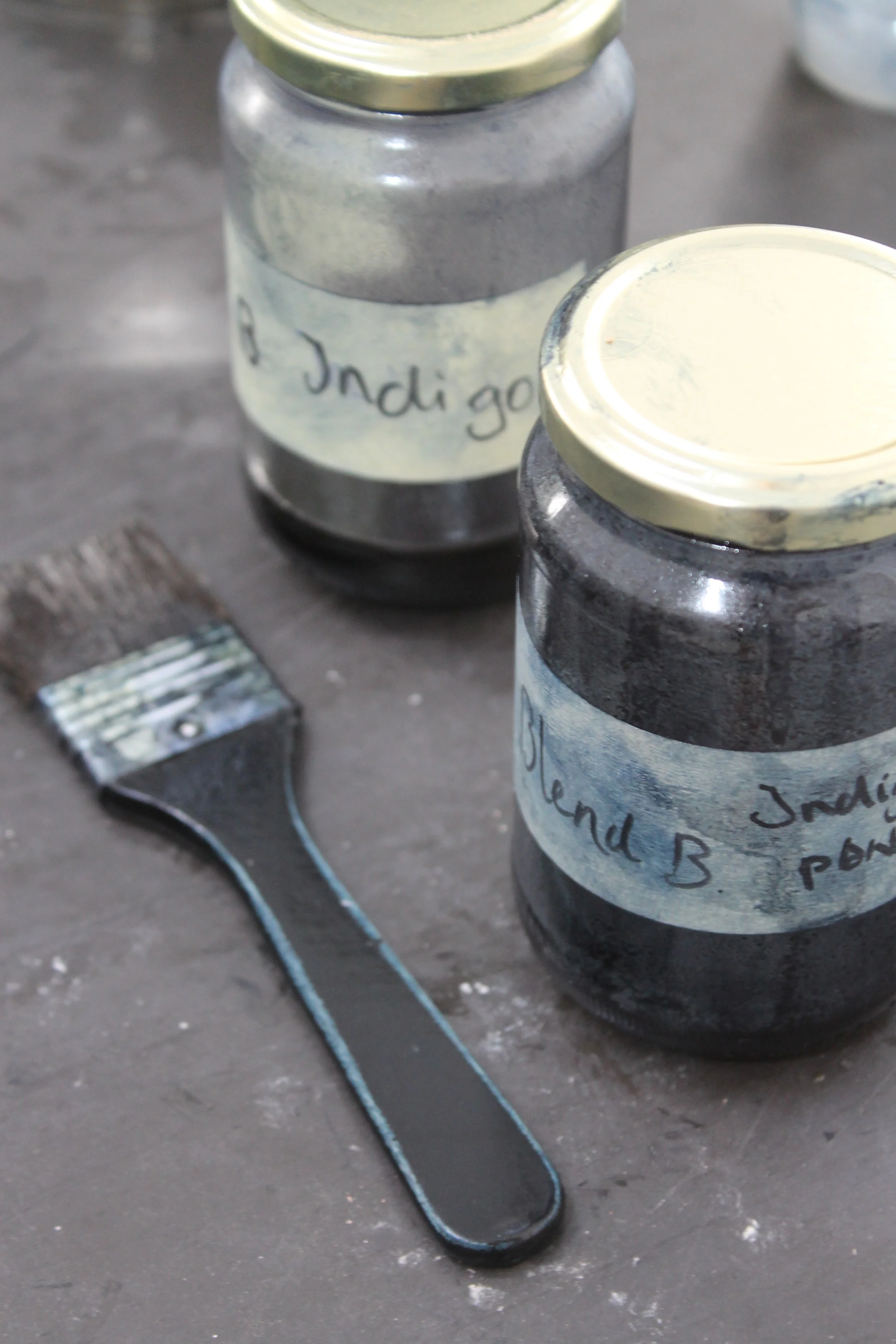
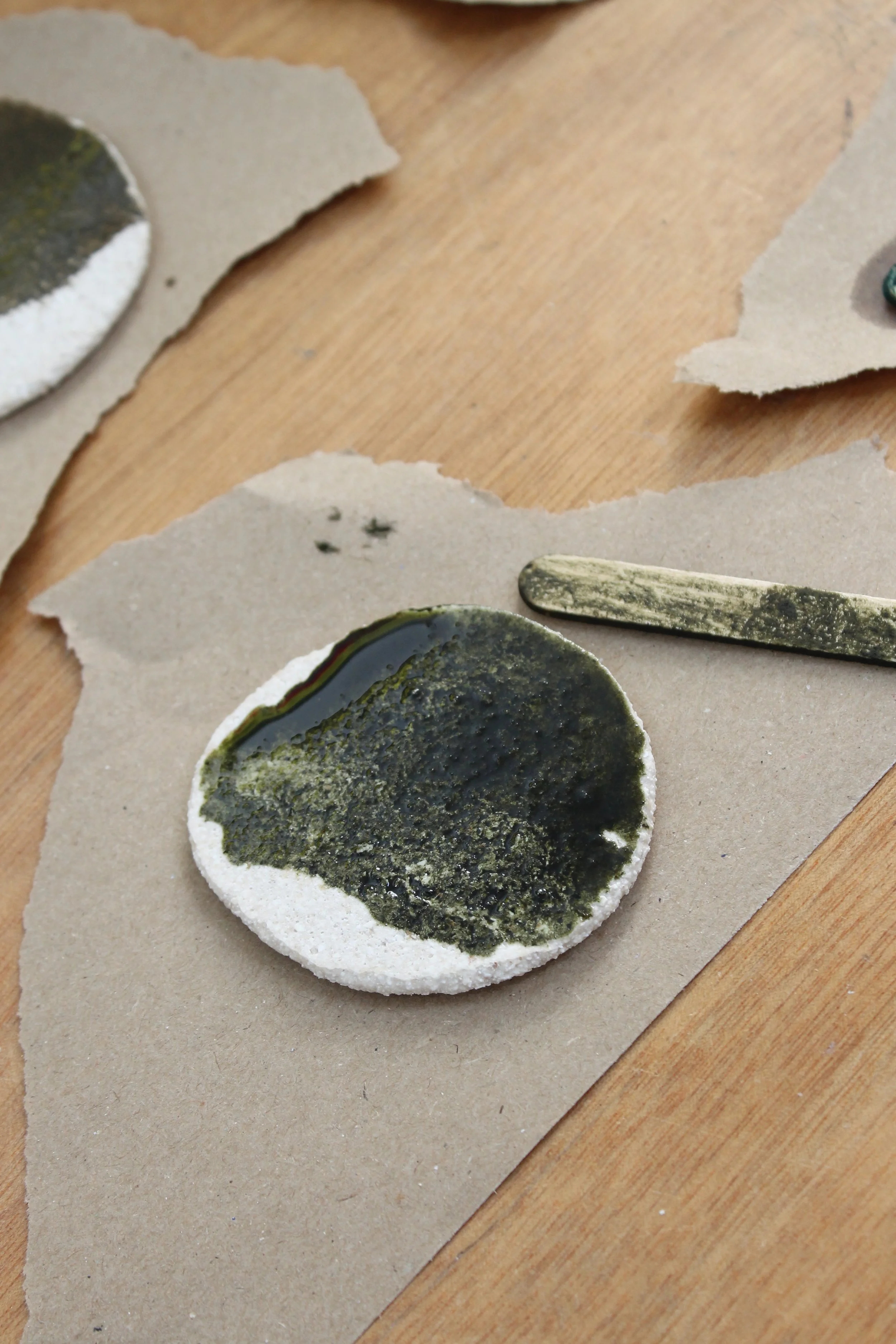
Within this project, these principles are translated to the biomaterial. By experimenting with different ratios of linseed oil and pine resin, a water-repellent coating is developed that is not only functional but also adds a new aesthetic dimension. In combination with natural pigments, such as indigo and walnut husk, an investigation is conducted into how color behaves within these transparent layers and how a contemporary version of this historical “glow” can emerge on a non-traditional substrate.
In addition, research is conducted into natural dyes from the Dutch context, such as woad and madder, which were once cultivated on a large scale but have largely been replaced by synthetic alternatives. By reintroducing these materials, historical knowledge is connected with current questions surrounding sustainability and material use.
With Glazing Bio-Ceramics, it is demonstrated how traditional techniques and natural resources can not only provide a functional alternative, but also open up a new aesthetic within the field of bio-based design. In this way, the project forms a bridge between past and future, where material, nature, craftsmanship and experimentation come together.
This research is made possible with the support of Stimuleringsfonds Creative Industry NL.